NEWS
2026
Field Research Findings:
What Lampung Told Us
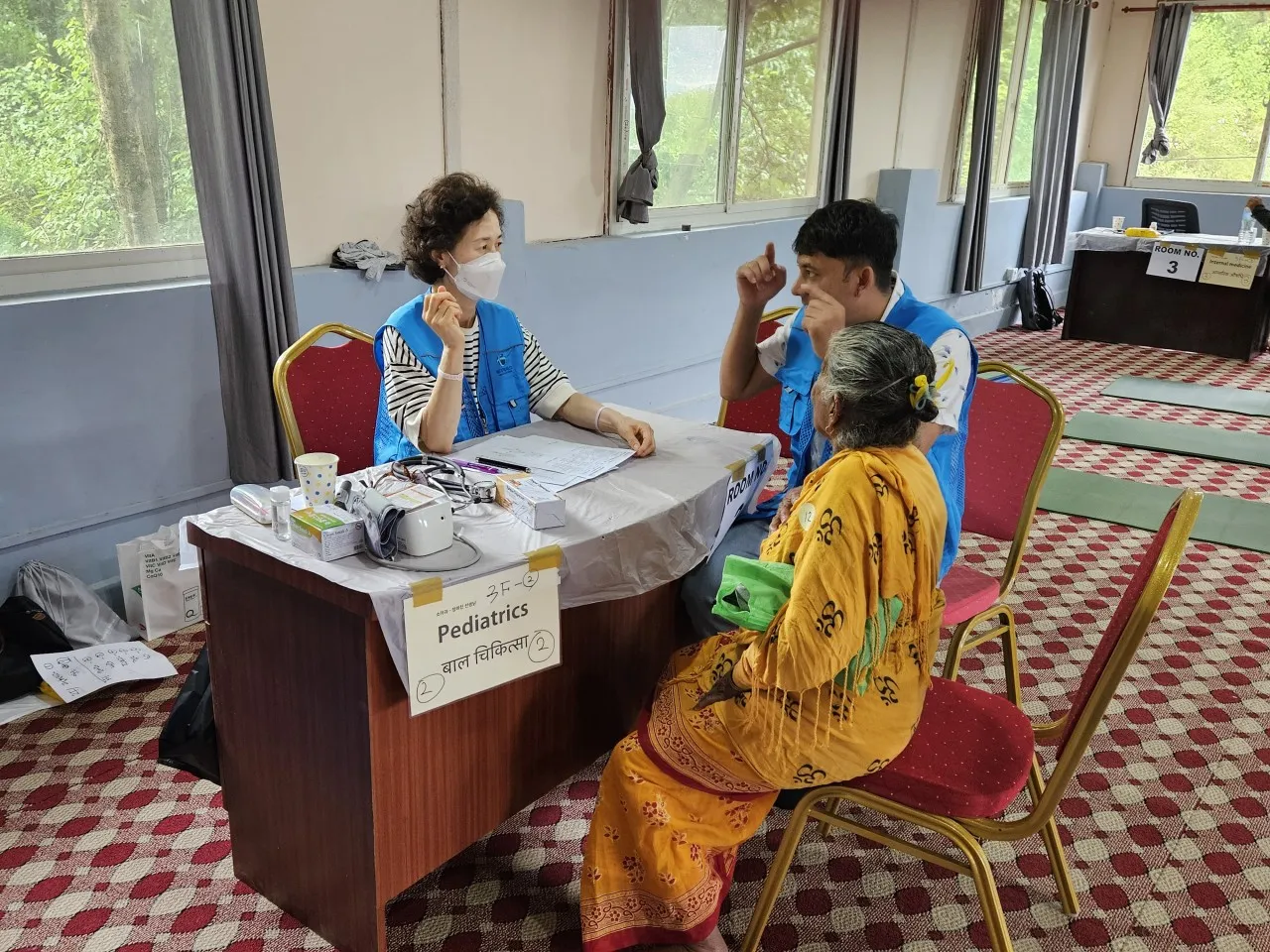
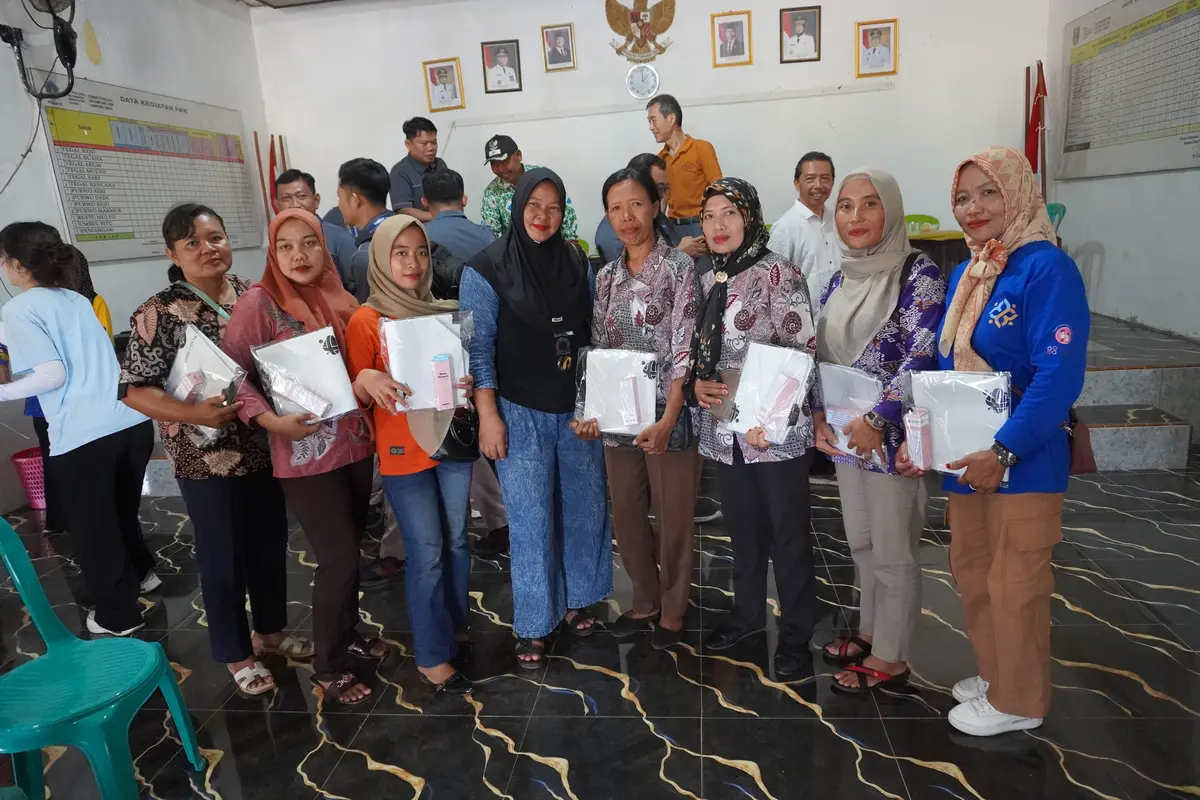
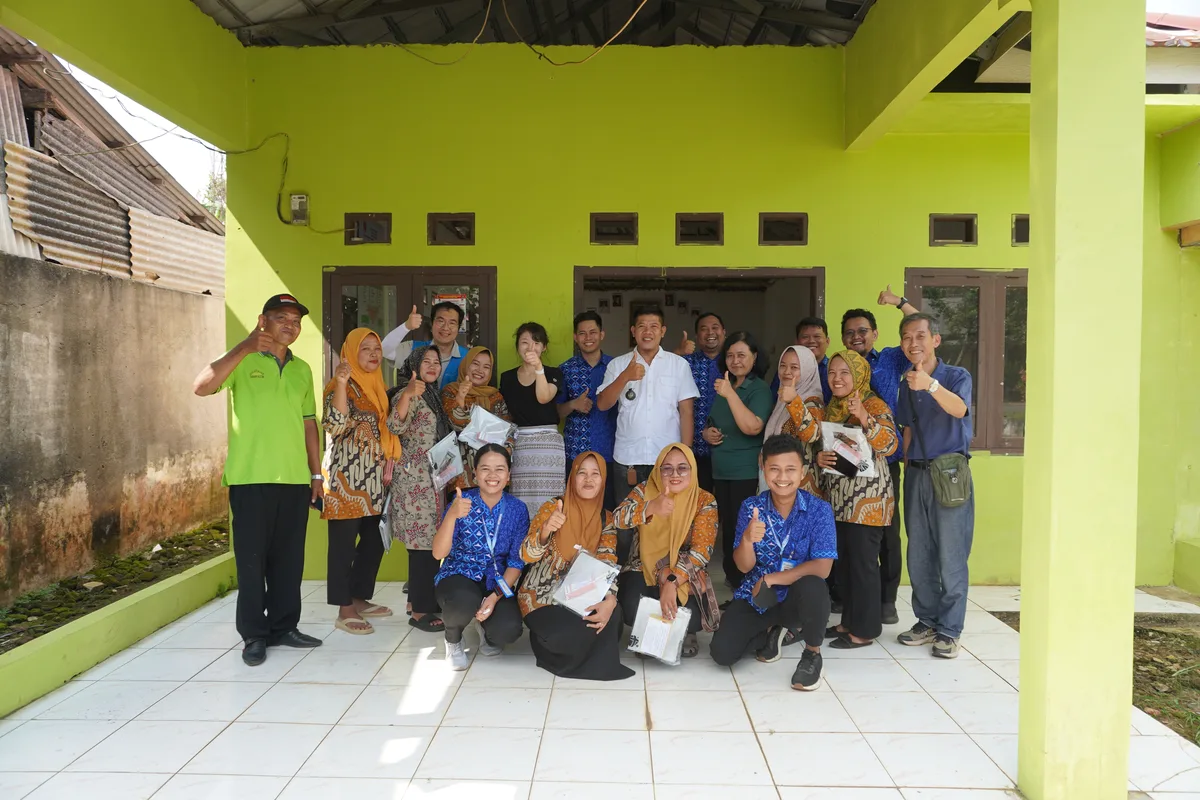
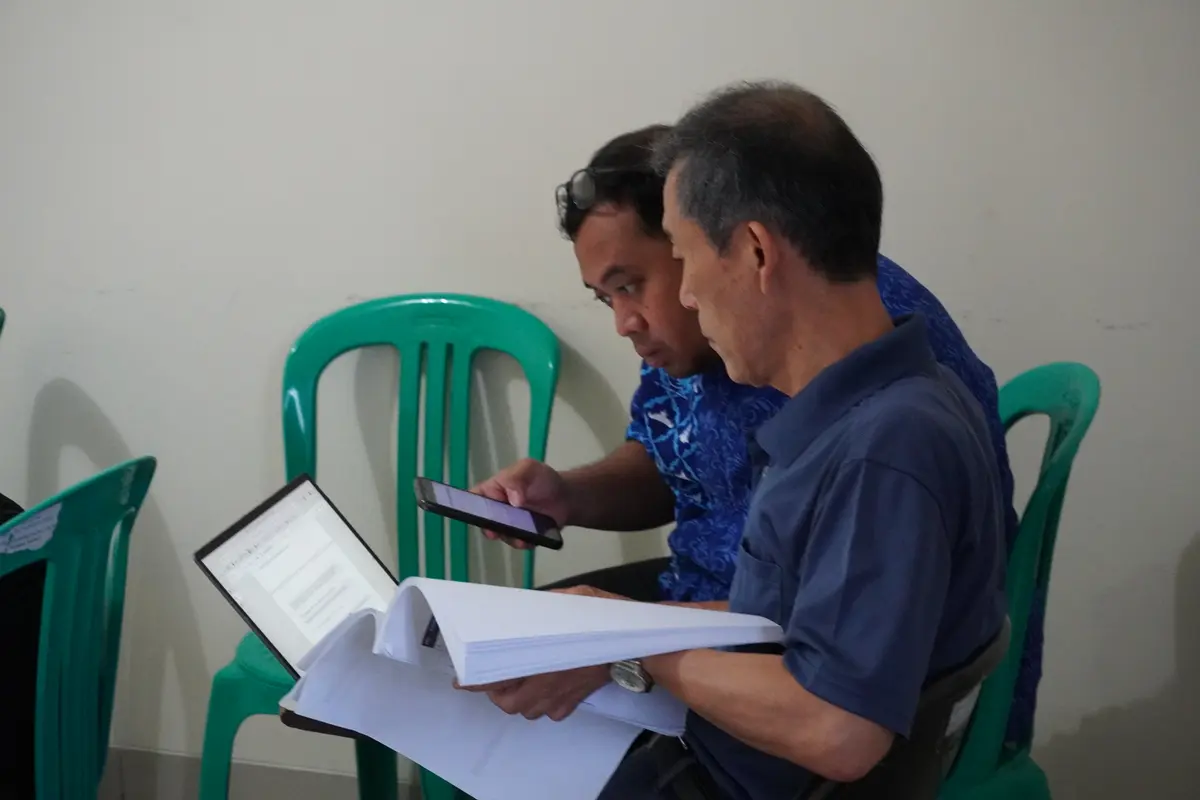
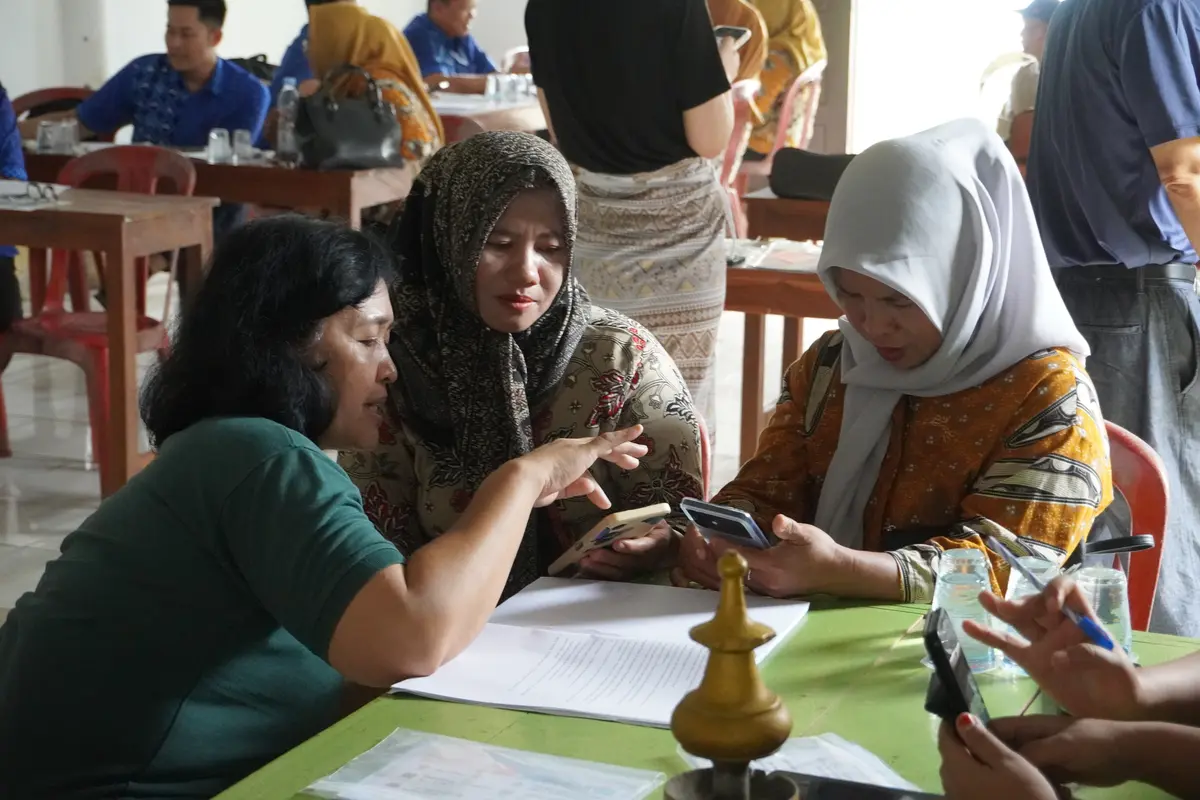
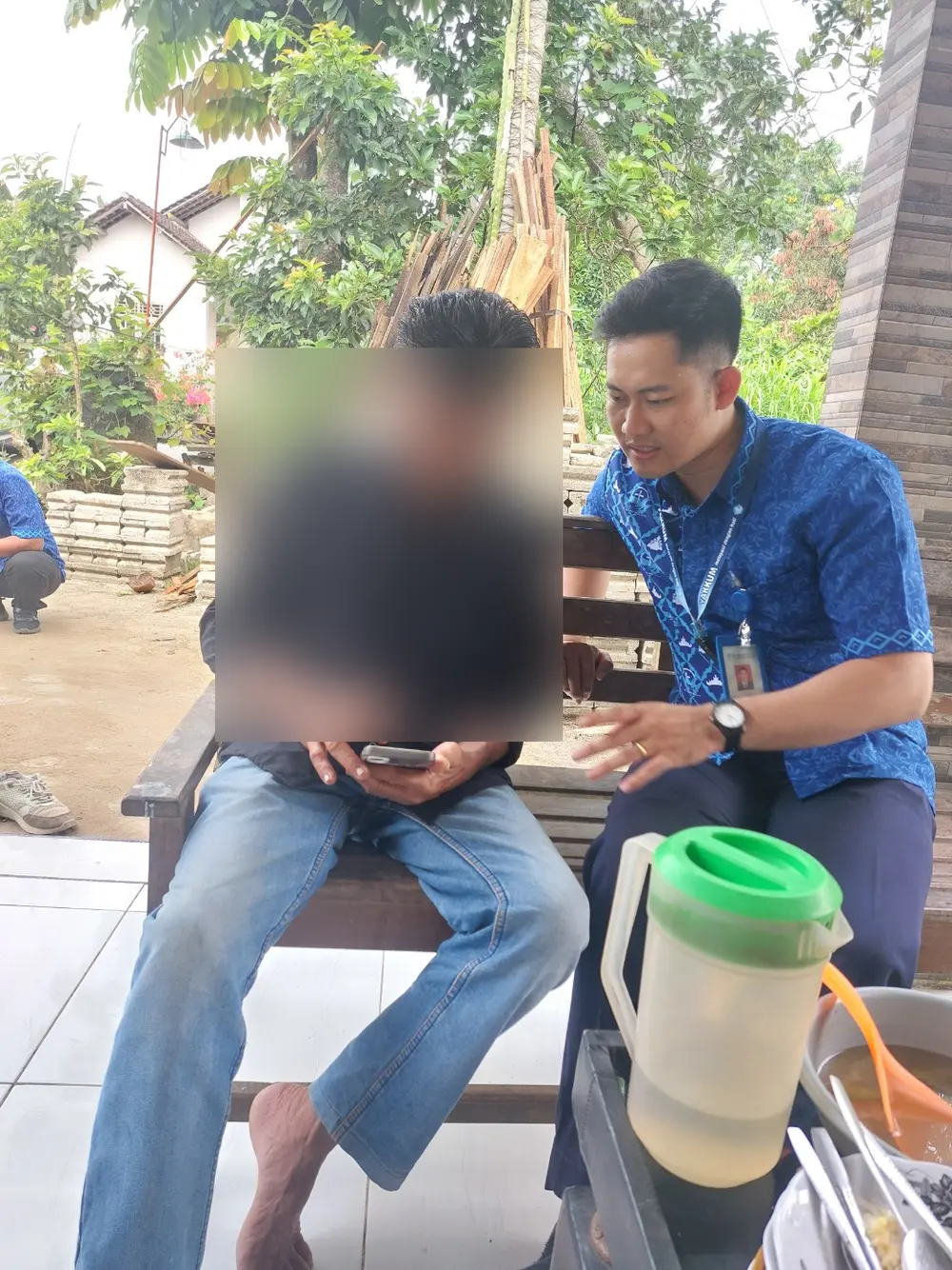
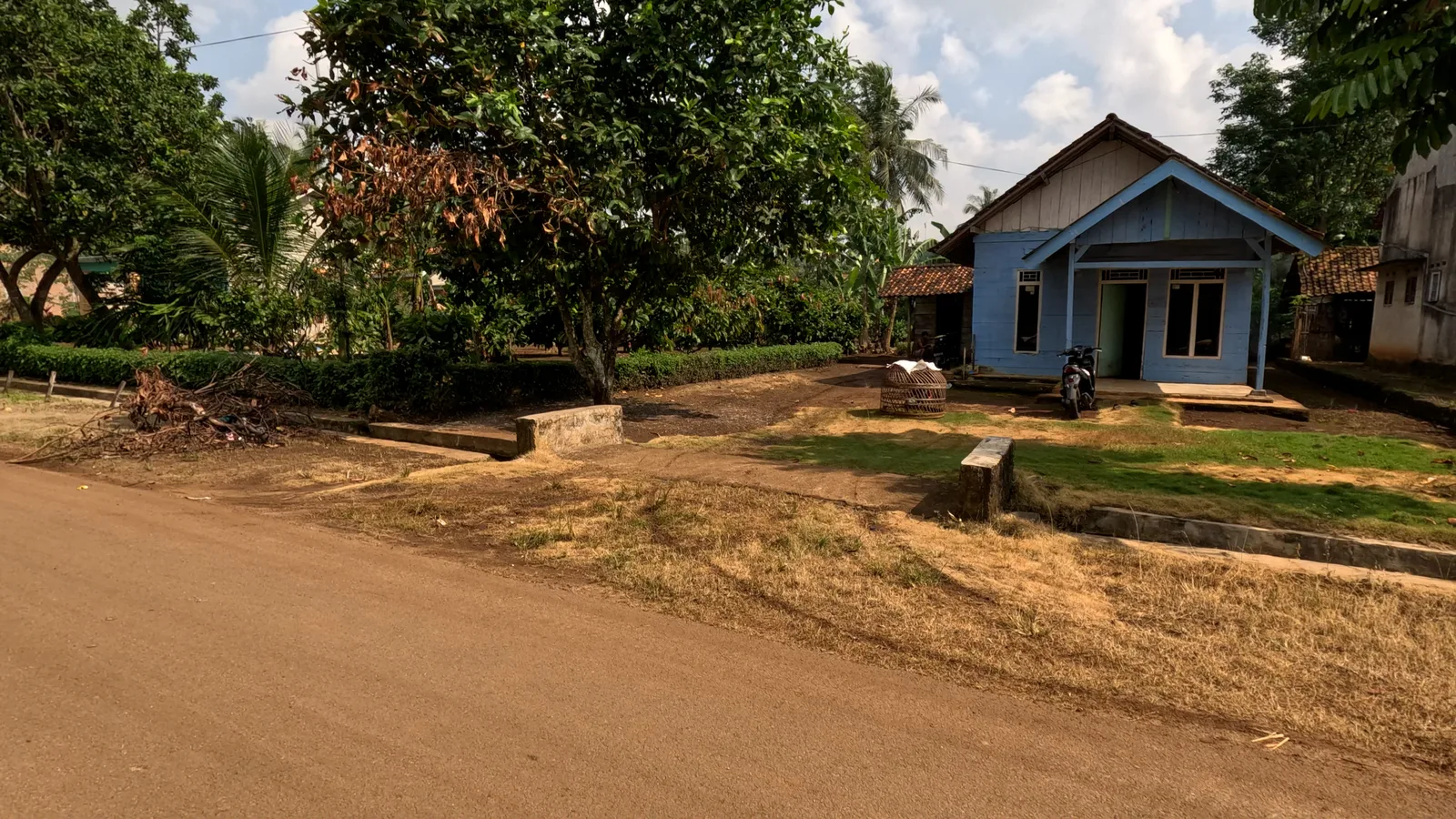
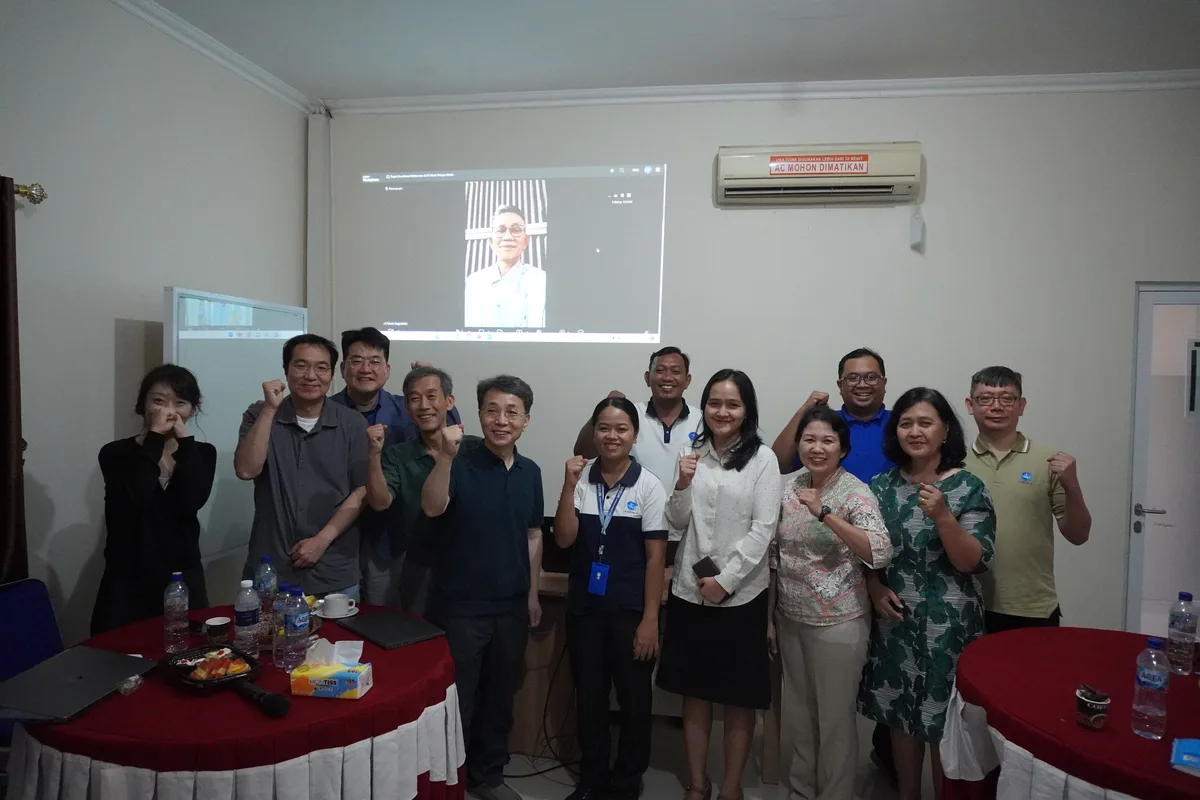
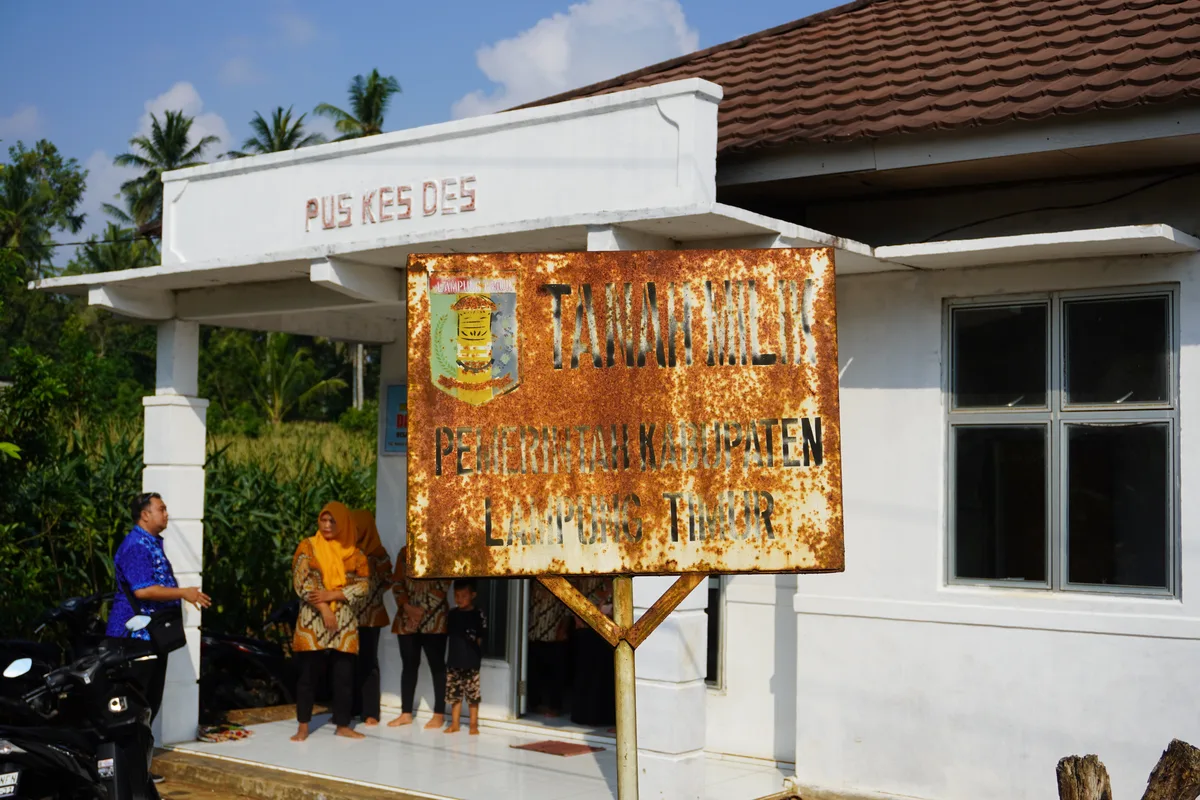
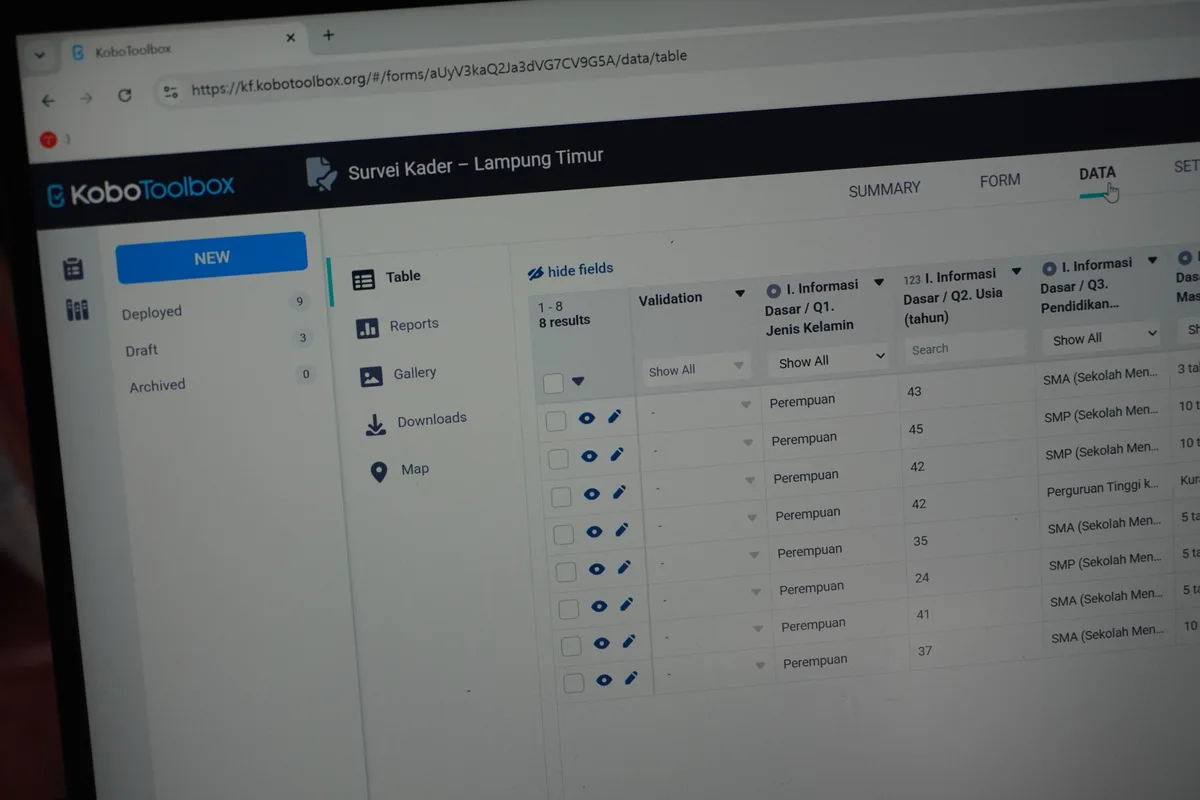
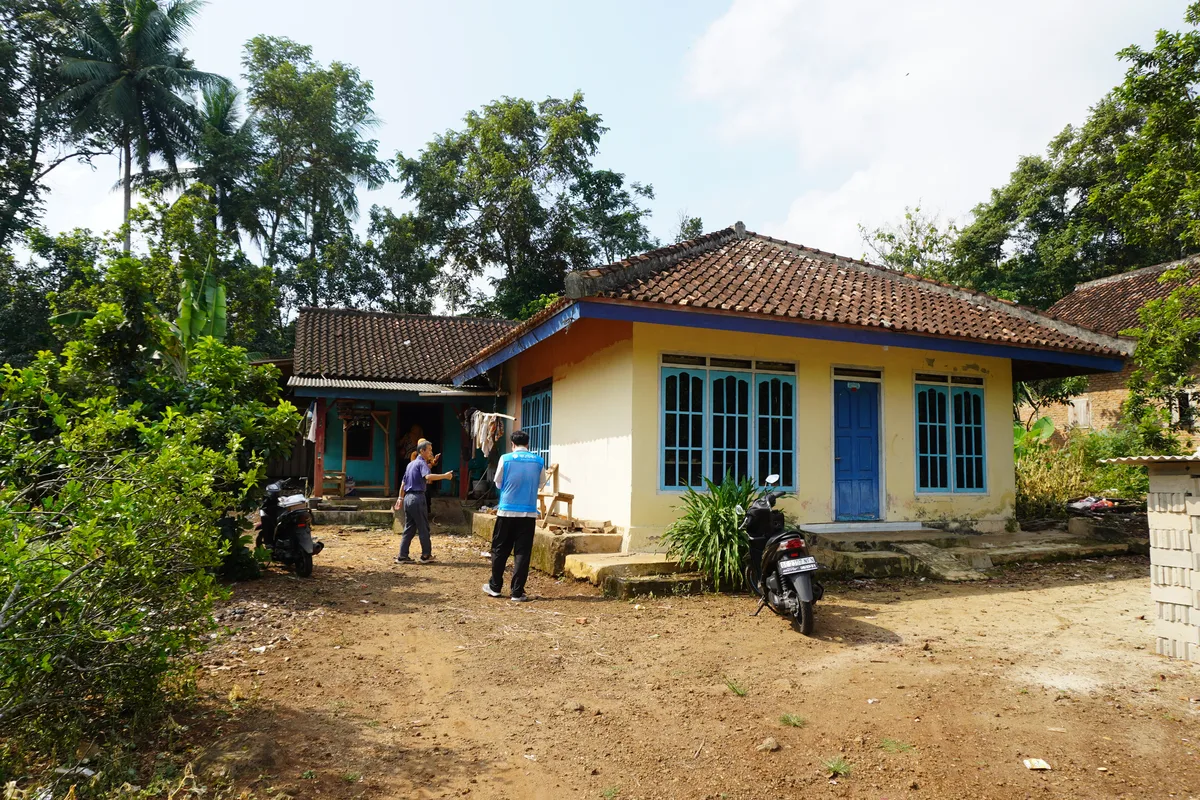
From 16–21 June 2026, we visited two villages in Lampung Timur, Indonesia — Purwo Kencono and Batu Badak.
Fieldwork Plan The People Who Bring Village Health Back to Life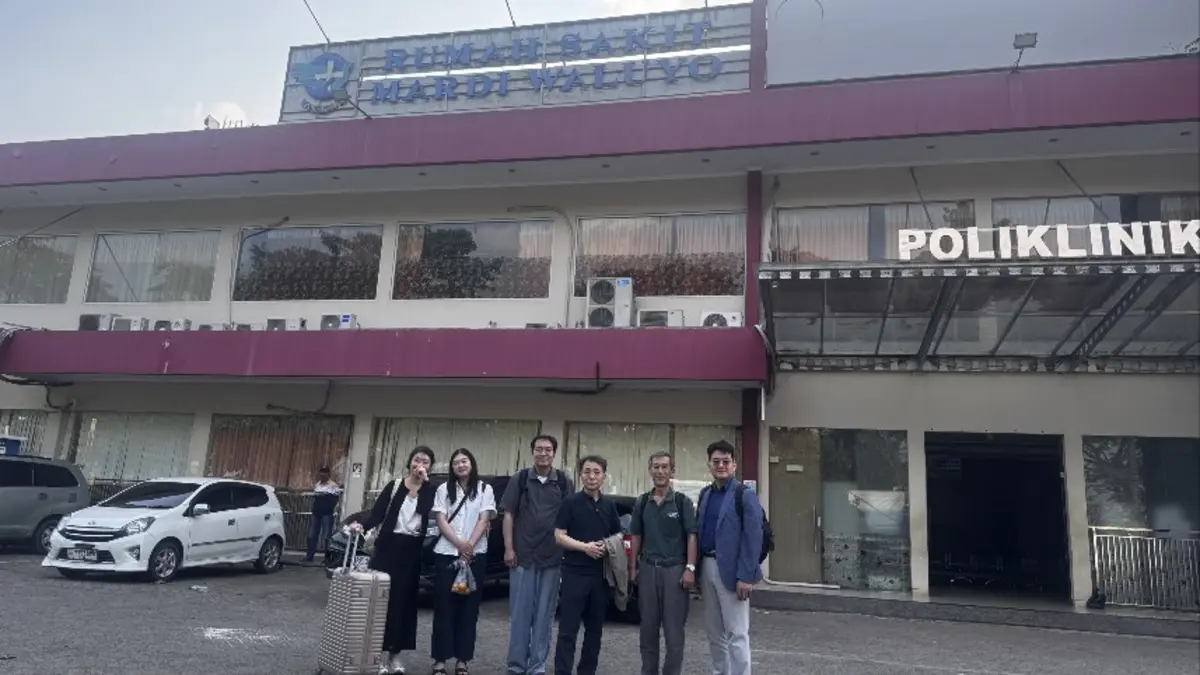
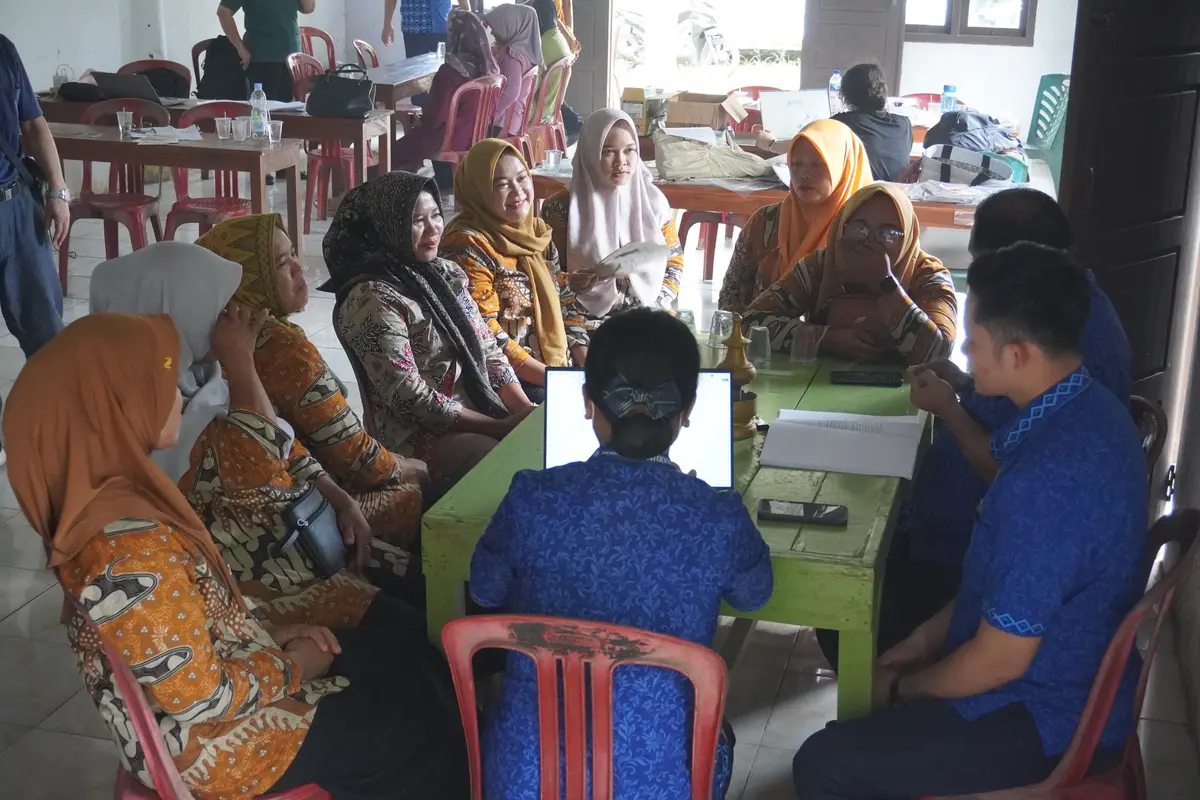
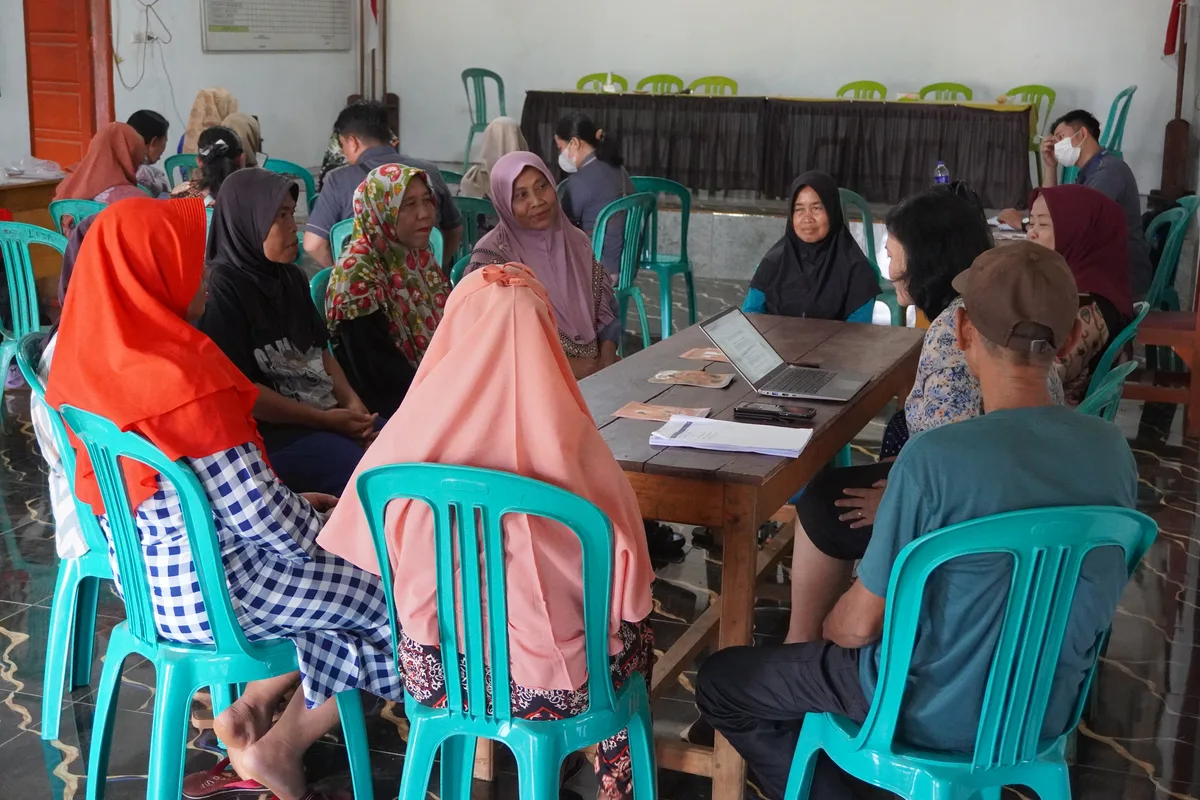
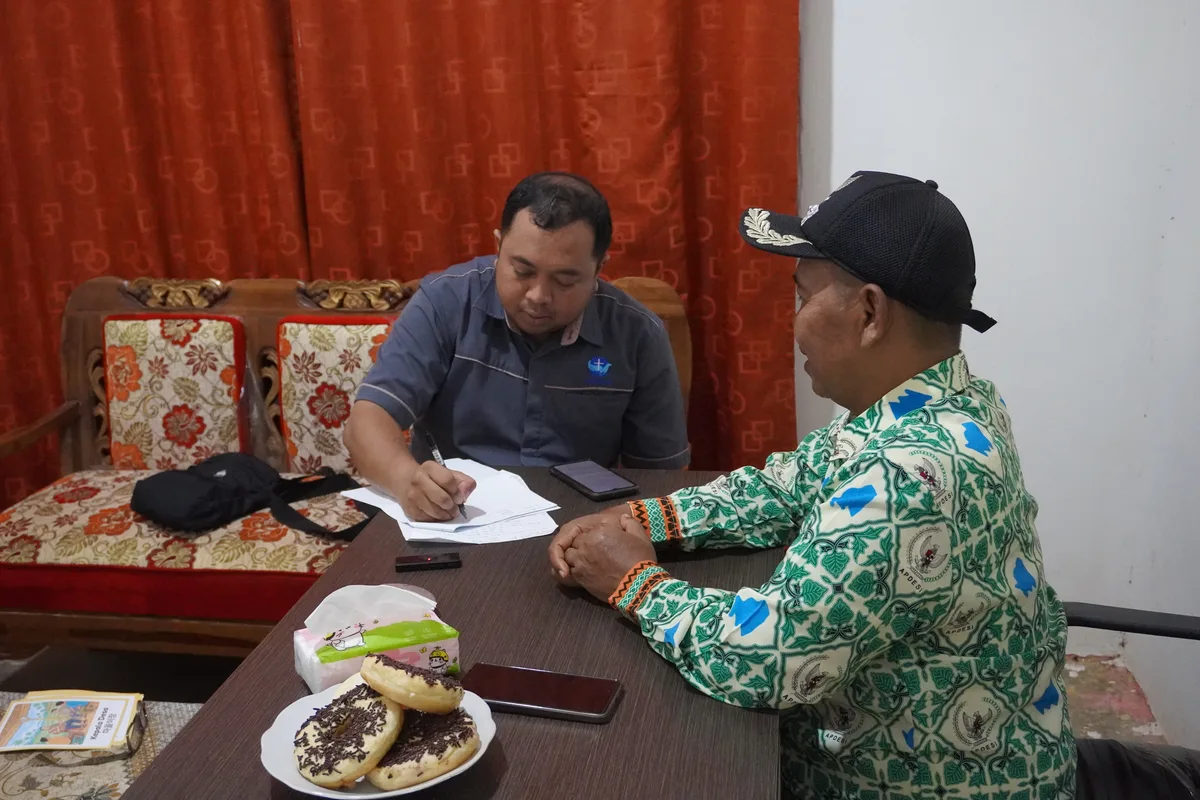
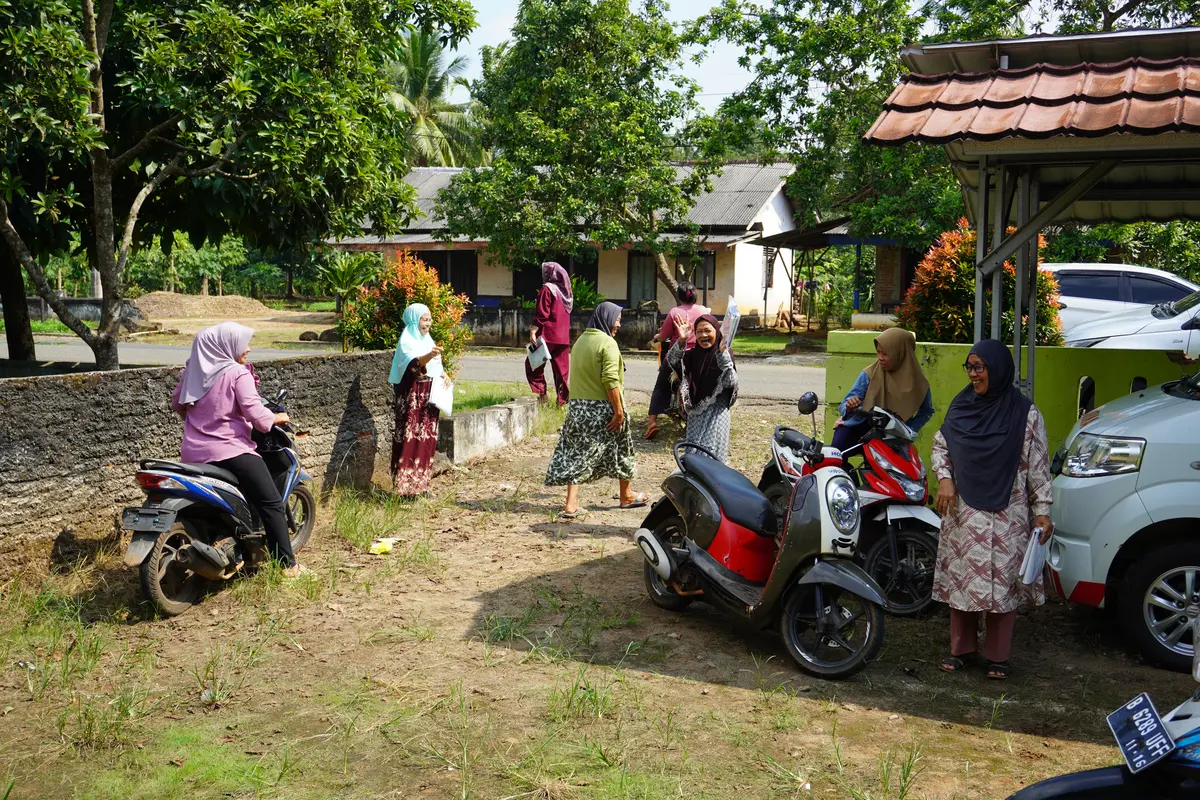
Kota Metro, home to the partner hospital, and the two survey villages of Purwo Kencono and Batu Badak
Findings
The Answer Was Already
Inside the Village
The research points to a single conclusion: What these villages lack is not people, not will, and not demand. What is broken is the connection between them. Six findings support that conclusion.
Finding One
The Connection Between Residents and the System Was Broken
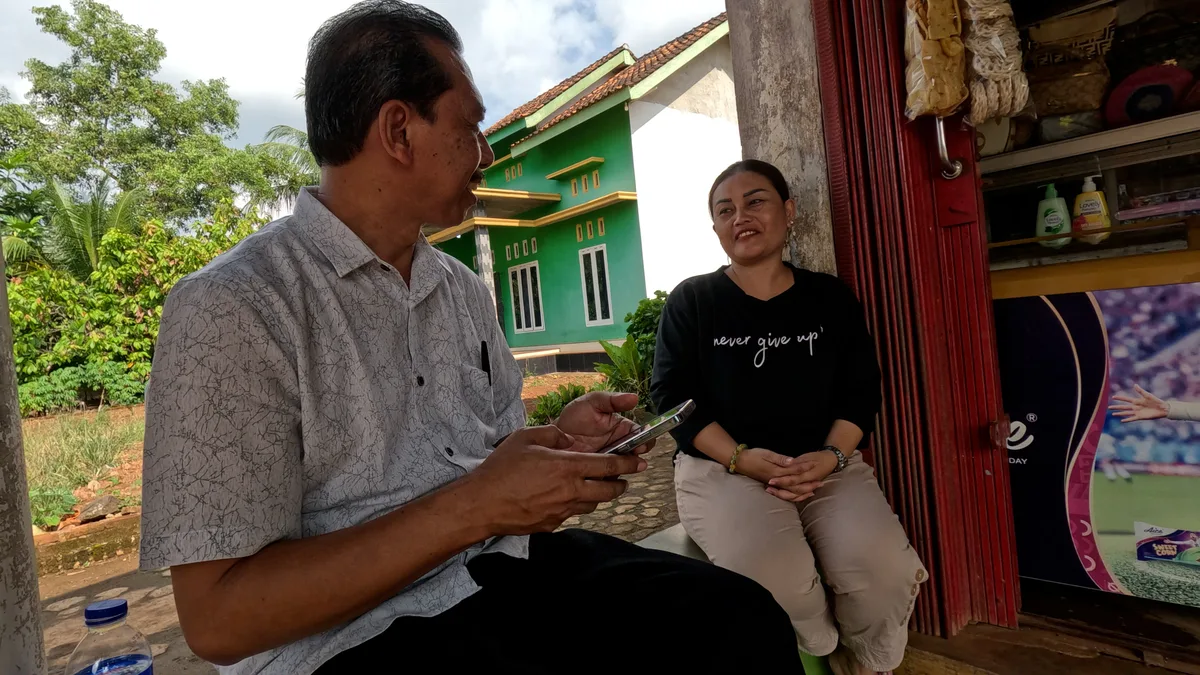
Residents who met a Kader (community health worker) in the past year
And residents who had met a Kader kept both their insurance and their screening alive — lapsed insurance and missed screening overlapped in 8% of those who had met a Kader, versus 24% of those who had not. The Kader is the entry point to multiple services — insurance, screening, and referral. This is why the project sets out to get the Kader–Posyandu system moving again.
Finding Two
The Kaders Are Ready Too
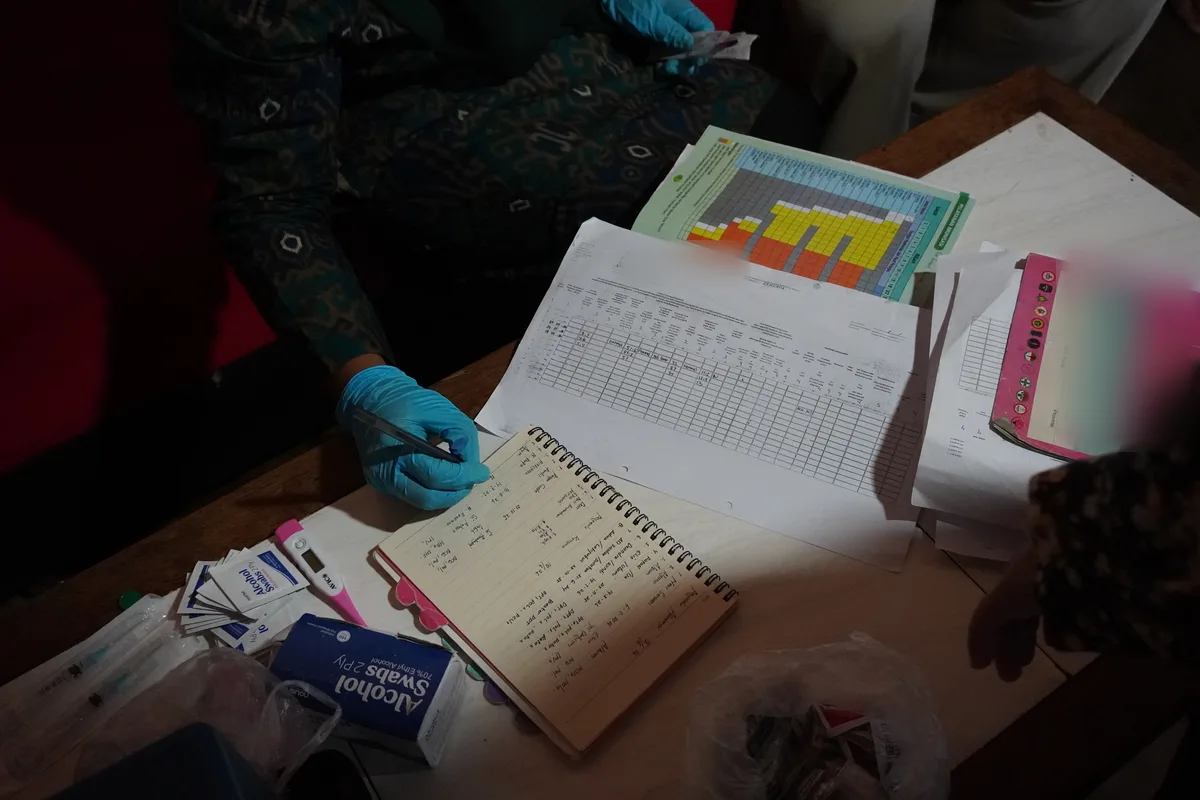
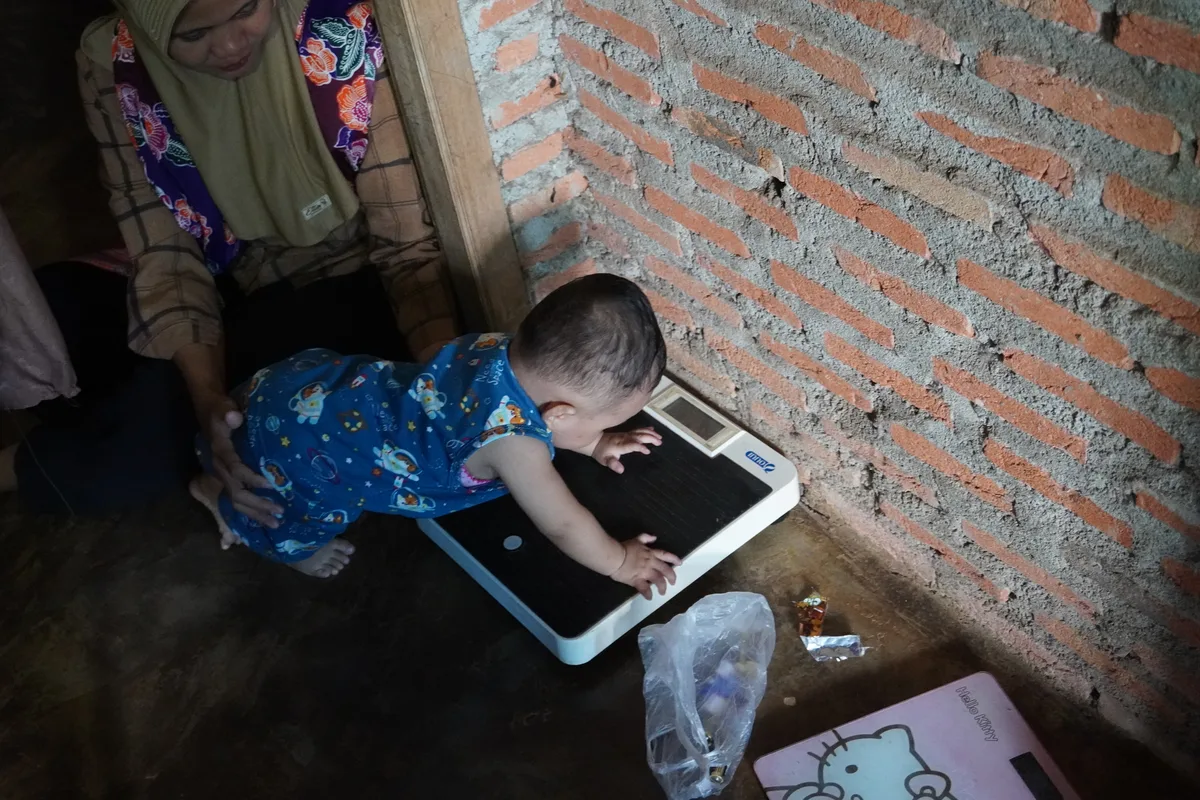
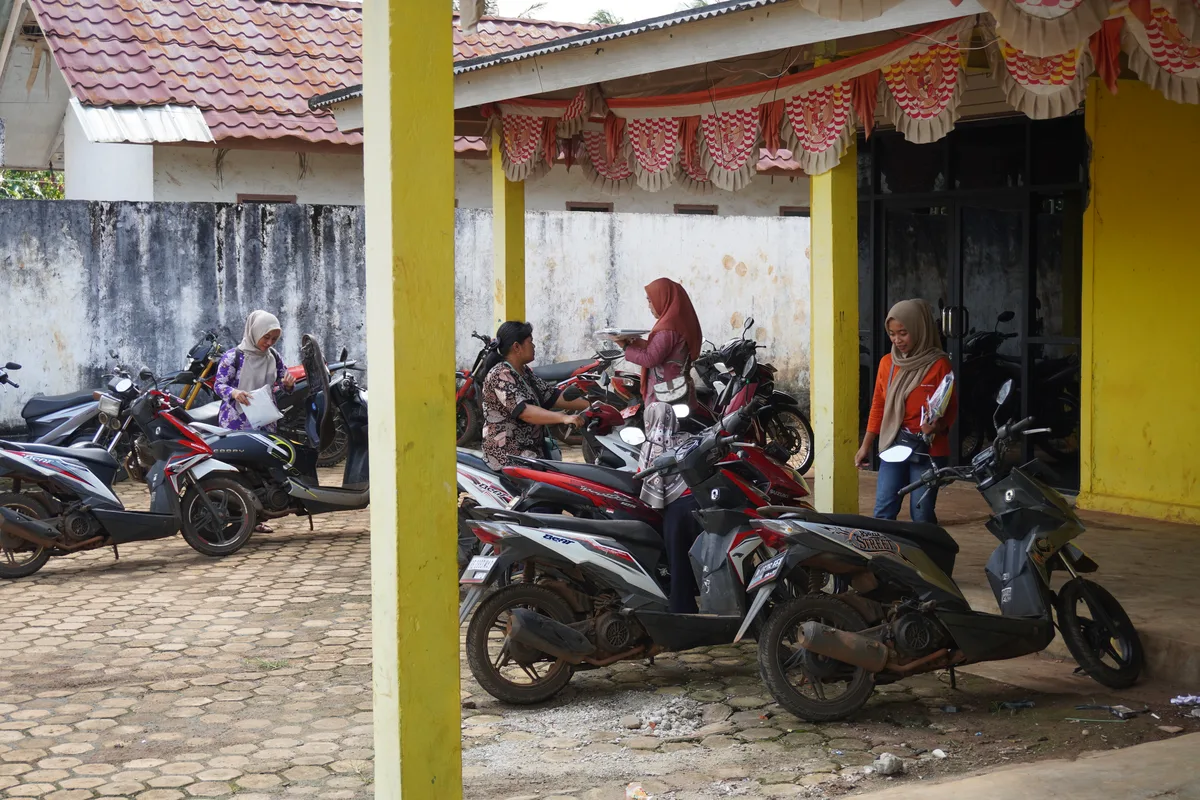
The 16 Kaders across the two villages average 40 years of age, half of them experienced Kaders with more than ten years of service, and every one of them is still working every month. We asked in the FGDs what they need most, then verified the answers against individual anonymous responses.
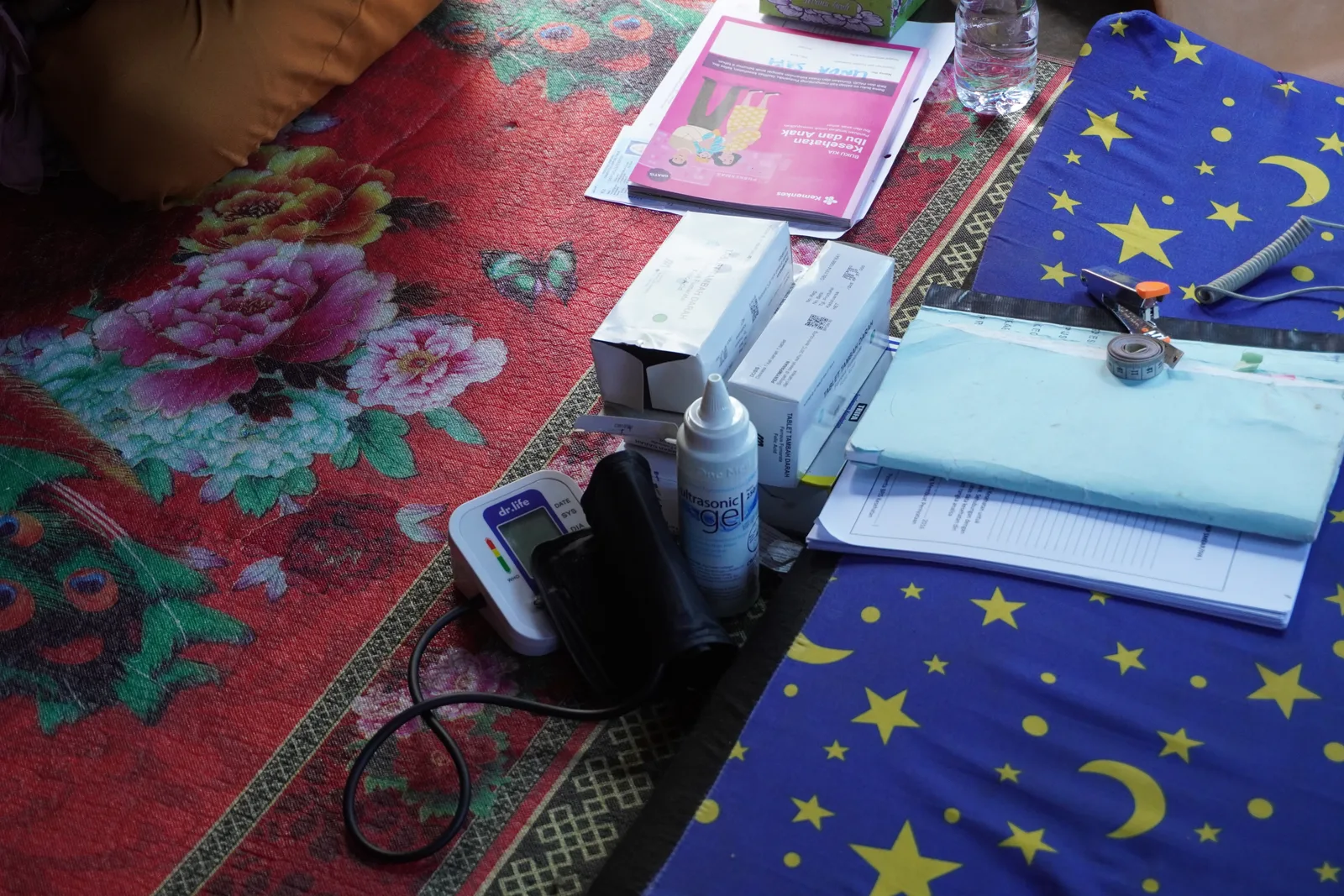
Measuring equipment and supplies
Regular health training
Higher allowances
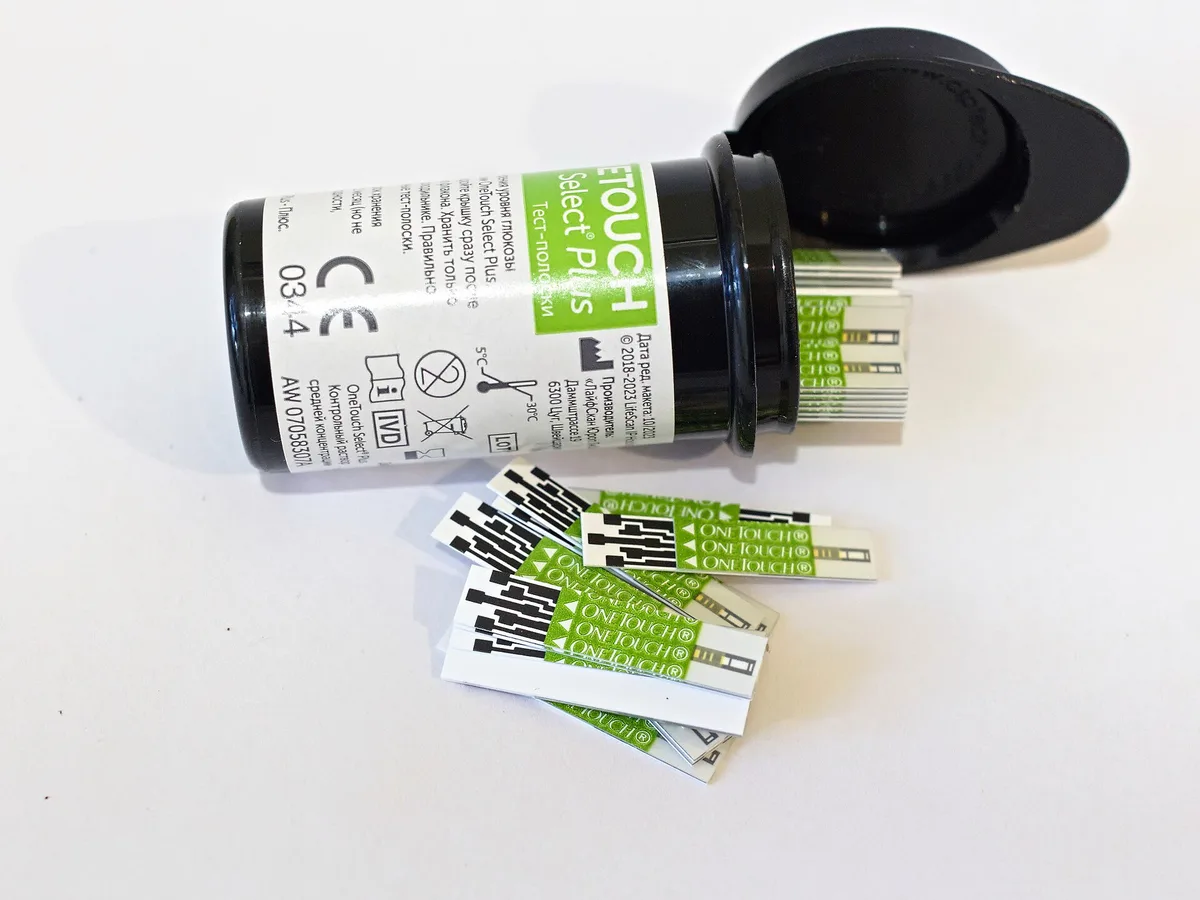
What the Kaders wanted was not money but the tools to work with and the chance to learn. Blood glucose test supplies had run out, and in some villages there were Kaders who had never received formal training — these are people who can start working the moment the gaps are filled.
Finding Three
Not Because They Didn’t Know, but Because They Couldn’t
Diabetes (blood glucose) — the gap between knowing and doing
Most residents already know that blood glucose should be checked even without symptoms. The reason practice does not follow is not indifference but depleted test supplies and lapsed insurance. This is a problem solved not by more education but by filling the conditions — which is why test kits and measuring devices are needed.
Finding Four
What Residents Want Most Is
What We Set Out to Do
56.6%
Residents naming this as the service they most want at the Posyandu village health post:
“blood pressure and blood glucose screening”— the top request
Second was elderly health (47.1%), third childhood immunization (41.3%) — the project’s direction is what residents themselves raised their hands for. Behind that demand, however, sits a misconception that needs correcting. “Hypertension and diabetes are just part of getting old”— this false belief is widespread(only 13–24% of residents know it is untrue), and fried, sweet, and salty eating habits remain unchanged. This is why dietary education and management must go alongside screening.
Finding Five
The Key Is Active Health Insurance
Share of residents ever tested for blood glucose, by insurance status
Even after accounting for age, education, and distance, the only factor that actually determined whether someone had been tested was whether their national health insurance (BPJS) was active. Four in ten residents had enrollment that had lapsed or gone unrenewed, most of them stalled in front of a complicated re-enrollment process — a problem that resolves when someone walks through it with them.
Finding Six
Residents Are Already Choosing Modern Care
0.5%
Residents who turn first to a traditional healer when ill
(1 of 189)
Zero
Home births
(past two years — all at facilities or with midwives)
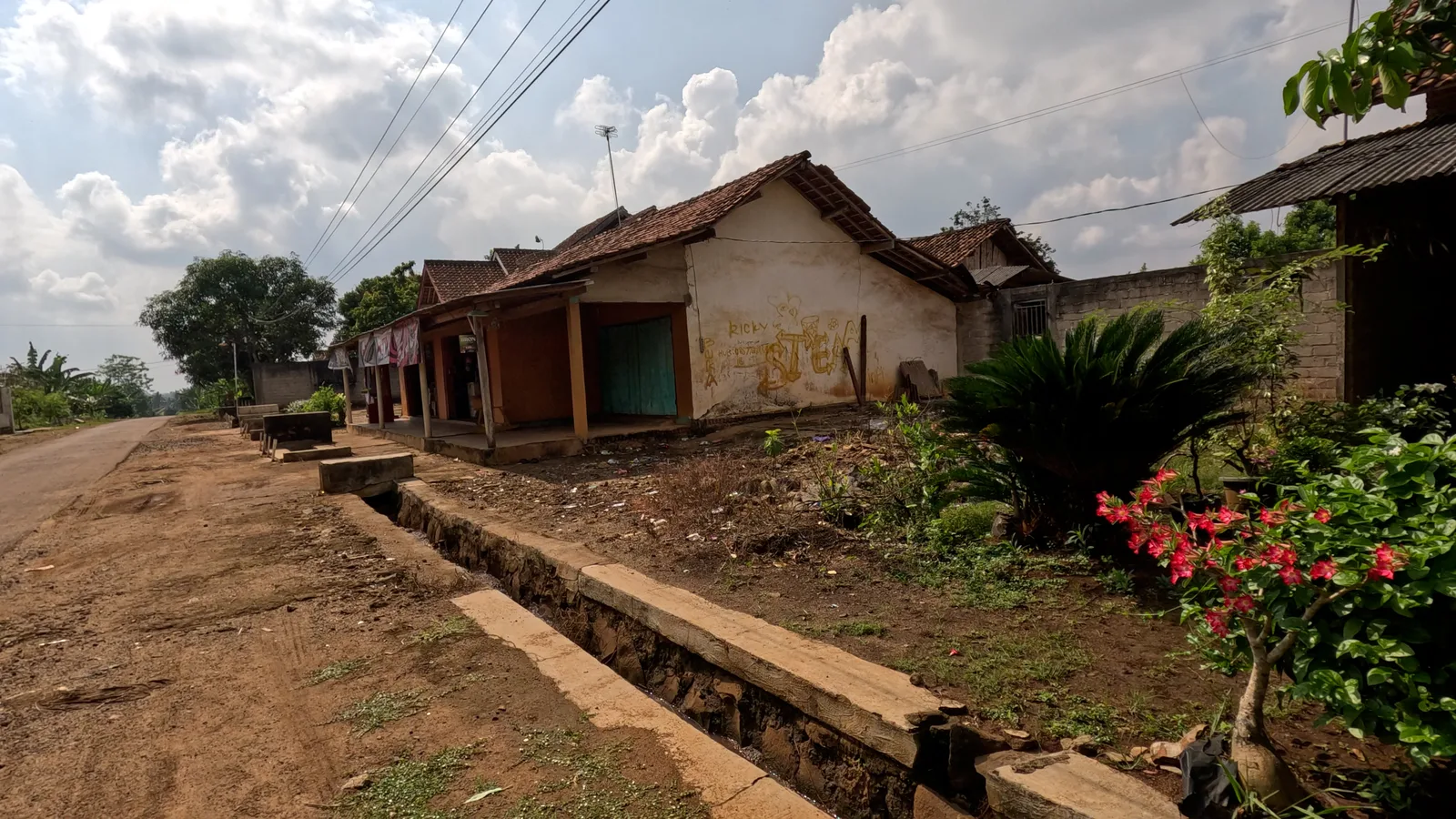
The cultural barriers we worried about at the planning stage did not appear in the field. When residents fall ill, they go to health posts and clinics first. What needs changing is not residents’ attitudes but the conditions they can reach.
“All that is needed is to reconnect what was broken.”
Lives · The People Behind the Numbers
Two Roads, Divided by
One Insurance Card
The mother whose insurance had lapsed
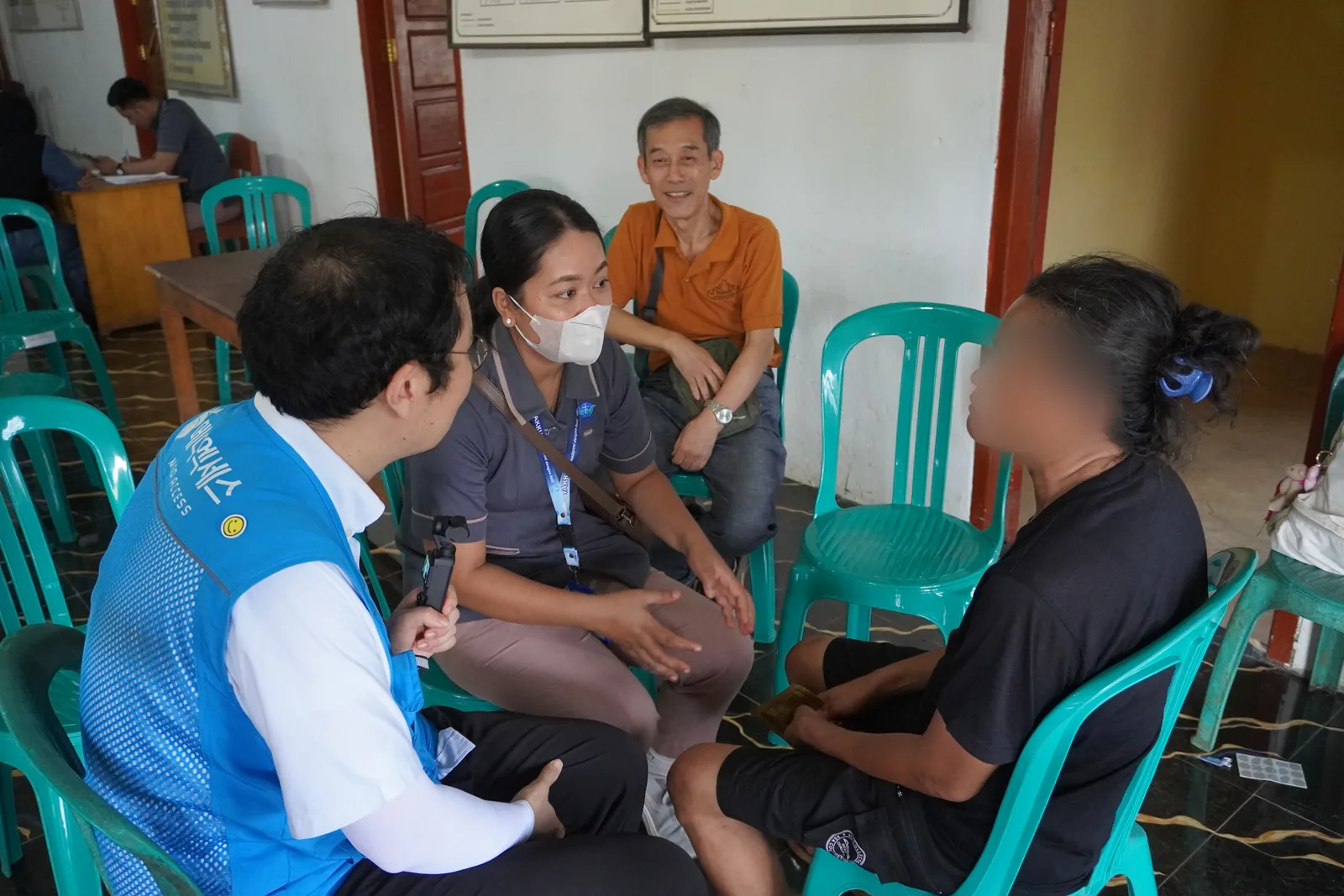
A mother living with hypertension, diabetes, and high cholesterol came to a community meeting we held during the survey and told us she had no strength left, and that her government insurance had lapsed. Days later, with a tightness in her chest, she went to a village masseur instead of a hospital, and died that afternoon. With routine care and insurance, it was an entirely manageable condition.
The baby whose insurance was active
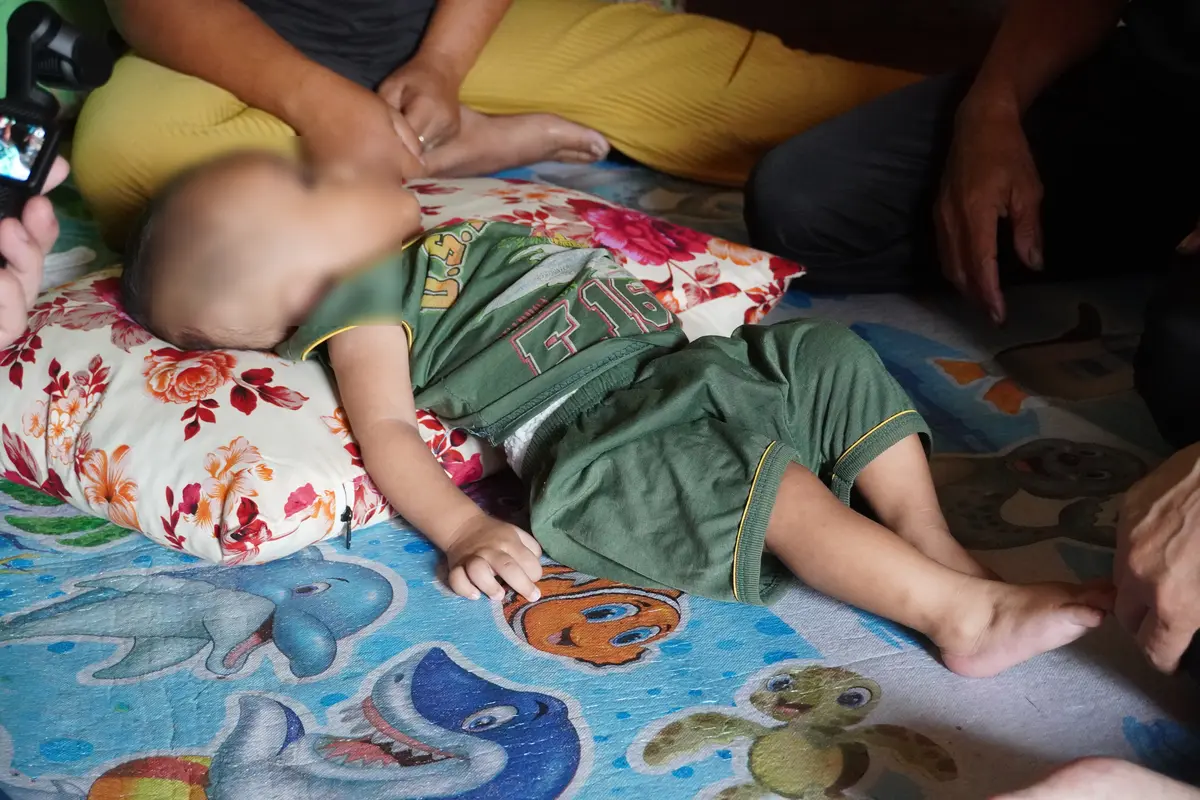
In the same project area, a nine-month-old baby was born with hydrocephalus. This family’s government insurance was still active. The baby was transferred to a large hospital three hours away for surgery, and the parents stayed at the bedside for two months. The baby lived. Lapsed insurance and active insurance — that difference decided life or death.
The woman in her tenth year of fighting diabetes
A fifty-year-old woman with three generations of family history — her grandmother and her mother both died of diabetes — has lost part of her body to complications and still rides an hour by motorbike to the hospital every month, now in her tenth year of managing the condition. Yet her two children in their twenties, the highest-risk group there is, and the husband who accompanies her every month have never once had their blood glucose tested. “When I go to the hospital, they only deal with my illness and that’s that.” — no one had suggested testing to her family.
“To turn these stories into work
that saves others in the same village —
that is the purpose of this project.”
Plan · Here Is What We Will Do
MediAccess Makes the Connection —
so the local hospital trains the Kaders,
and the Kaders reach the residents
We are not putting up new buildings or creating new organizations. Exactly as the research confirmed — for the Kaders who are already there, tools and training; for residents, screening and insurance connection; and behind them, the hospital that has been our partner for 19 years. Designing that whole chain and backing it with equipment, training, and funding is MediAccess’s part.
One · For the Kaders —
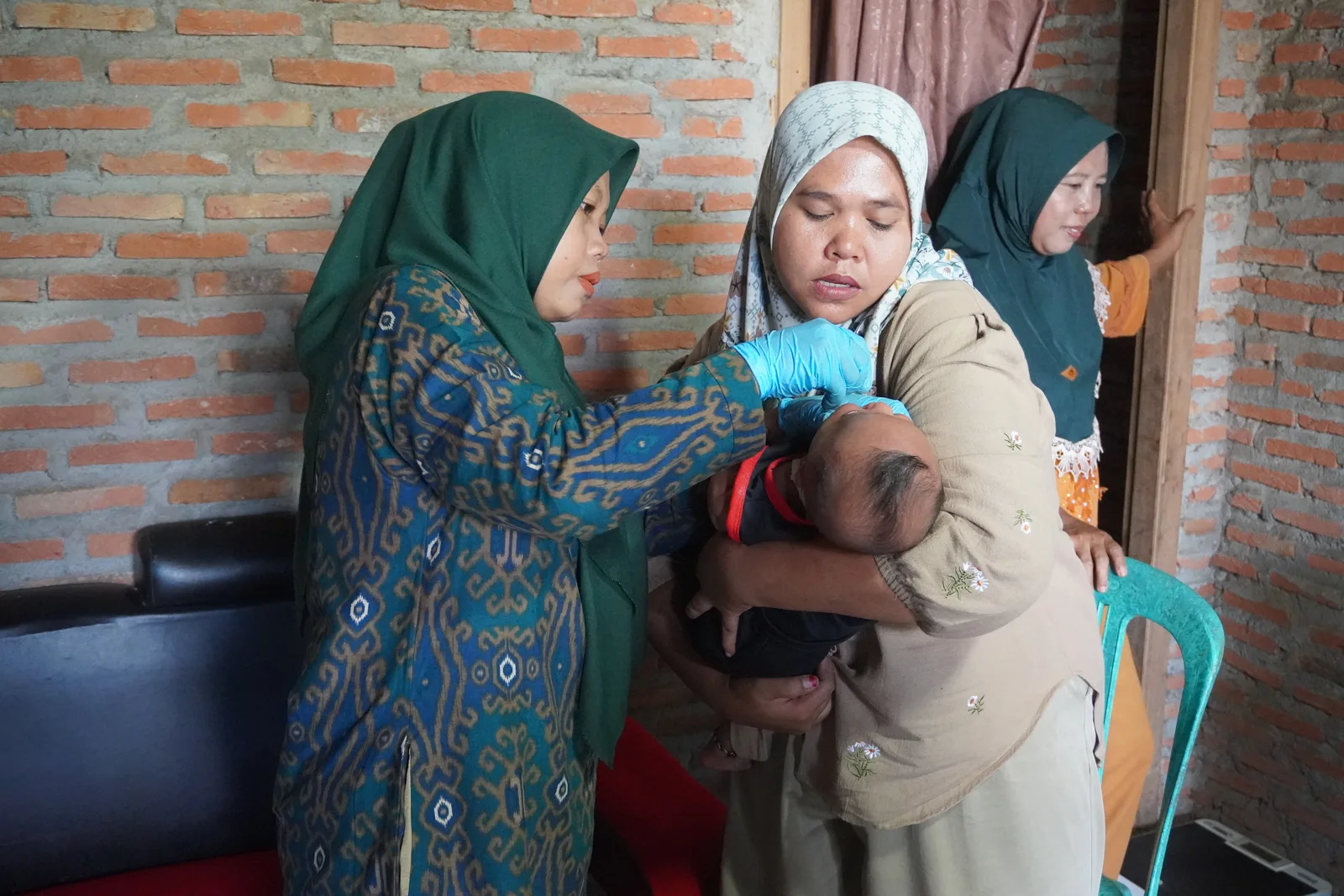
tools to work with and training
- · Supply blood pressure and glucose monitors with consumables, and train on measurement
- ·Pay a performance-based incentive for each verifiable recorded activity such as measurement or accompaniment, so Kaders are rewarded for what they do and work with motivation
- · Hospital clinicians teach the Kaders regularly and review their work together
- · Train on early detection and referral for infectious diseases including tuberculosis
- · Support Kaders in obtaining government-recognized grades and certificates
Two · For Residents —
make screening, insurance, and treatment actually reach them
- · Reopen Posyandu village health posts that have stopped running
- · Kaders measure blood pressure and blood glucose at homes and at the health post
- · Find households with lapsed insurance and accompany them through re-enrollment
- · Refer suspected severe cases to the hospital and follow up on outcomes
- · Deliver hypertension and diabetes education using video and pictorial materials, alongside infection prevention such as handwashing
Three · With the Hospital —
an MOU to hold it up from behind
- · Fund training operations and materials so the hospital can run Kader training itself
- · Connect patients referred by Kaders so the hospital receives and treats them
- · Support the hospital in developing tuberculosis management staff
- · Jointly prepare hospital clinicians’ village visits for care and teaching
Four · For the Village —
a household-level health map that stays
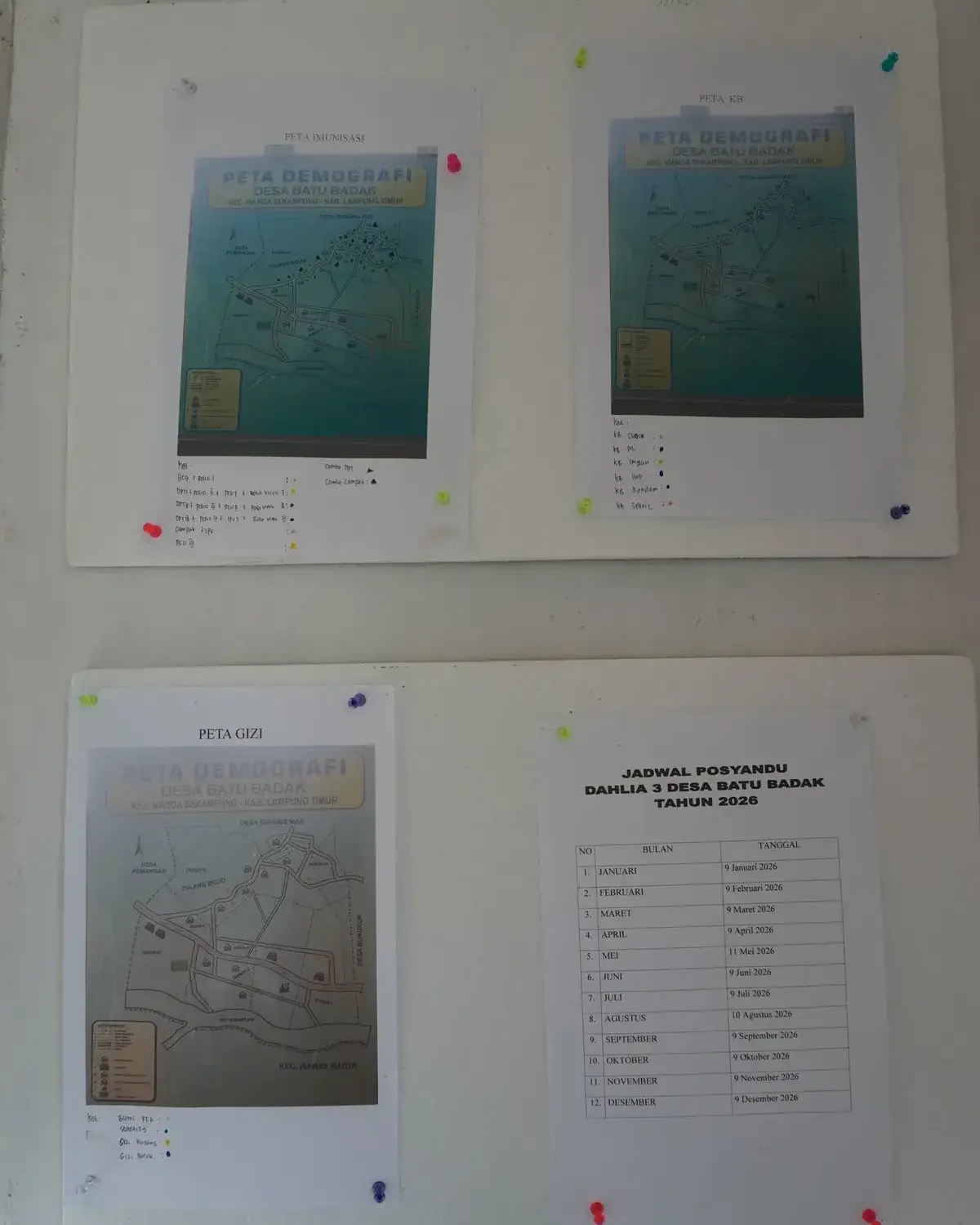
- · Kaders’ activity records accumulate into the village’s own health data
- · A map of which household needs what remains behind, for the village to use on its own after the project ends
These are the targets, measured from the starting point this survey found.
Residents ever tested for blood glucose
64% → 75%
by integrating screening into Kader touchpoints
Residents visited at home by a Kader in the past year
38% → 60%
extending beyond high-risk households to general households
38% of households with lapsed insurance — accompanied re-enrollment
400 households
finding lapsed households and accompanying them through application and follow-up
We will measure again by the same method after the project ends to verify change. Targets may be adjusted as the full-scale project plan is finalized.
Next · The Road Ahead
From Research to the Full-Scale Project
-
2026.6
Field research complete
189 households surveyed across two villages, all 16 Kaders surveyed and interviewed, plus home visits — testing the planning-stage hypotheses in the field
-
2026.7
NOW
Analyzing findings and designing the full-scale project
We are setting intervention priorities on the basis of the findings and refining the full-scale project plan
-
H2 2026
Hospital MOU · full-scale project preparation
Sign an MOU with Mardi Waluyo Hospital and prepare Kader training, equipment supply, and insurance re-enrollment support
-
2027 →
Full-scale project
2,150 households across two villages with some 41 Kaders — measuring the same indicators before and after to verify results
JOIN
Take the next step with us.
Buy test kits
KRW 10,000 (approx. USD 7)
Blood glucose test consumables about 39 tests — 39 residents learn their own blood sugar for the first time
Support insurance re-enrollment
KRW 5,000 (approx. USD 4)
One household with lapsed insurance one household— the cost for a Kader to visit and accompany them through the re-enrollment application
Fund Kader training
KRW 30,000 (approx. USD 21)
Kader one year of training for one Kader — one person’s share of hospital travel and training operations; the learning returns to the village
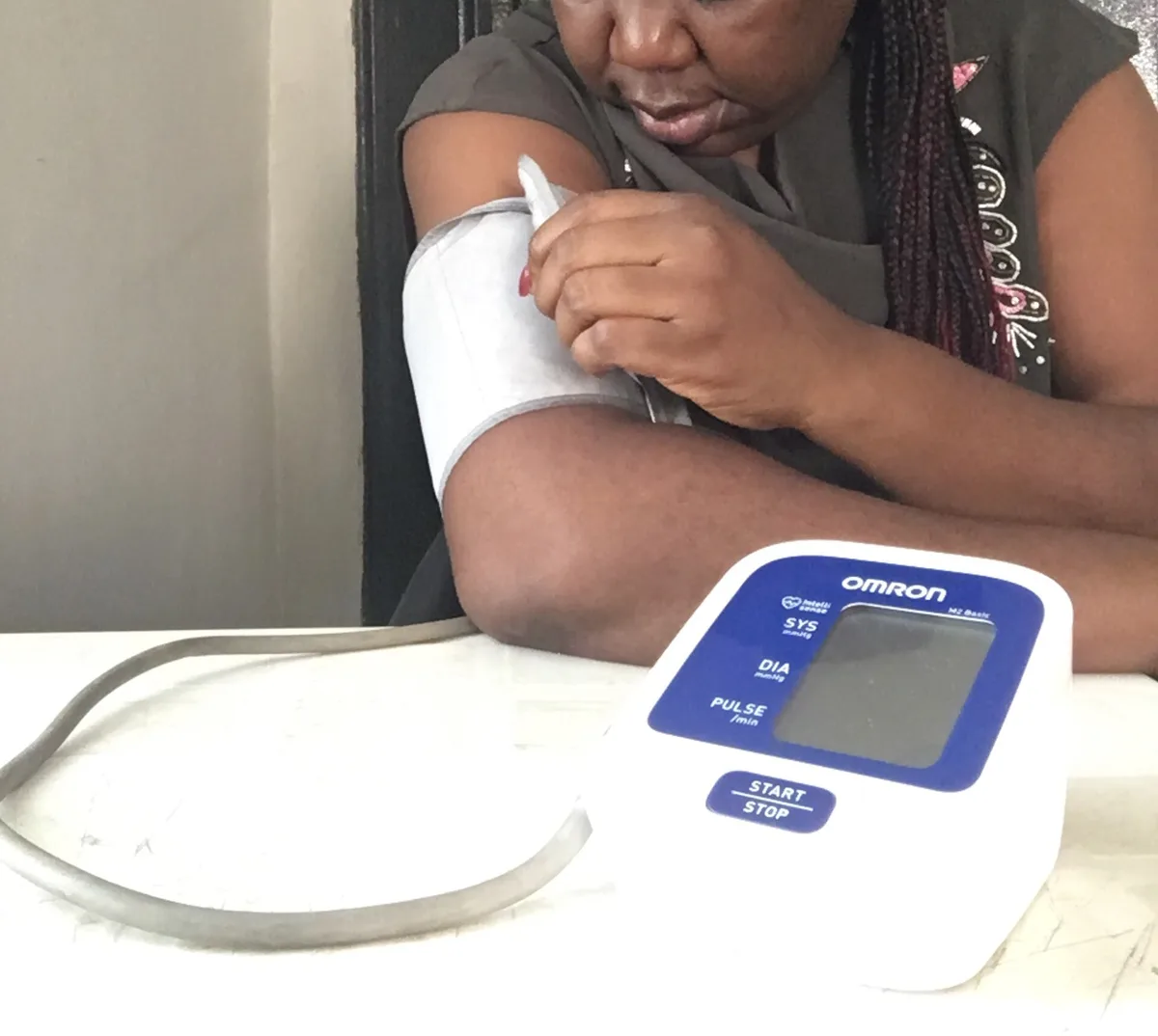
Send measuring equipment
KRW 60,000 (approx. USD 43)
For one Kader — a blood pressure and glucose monitor set — so they can screen their assigned households
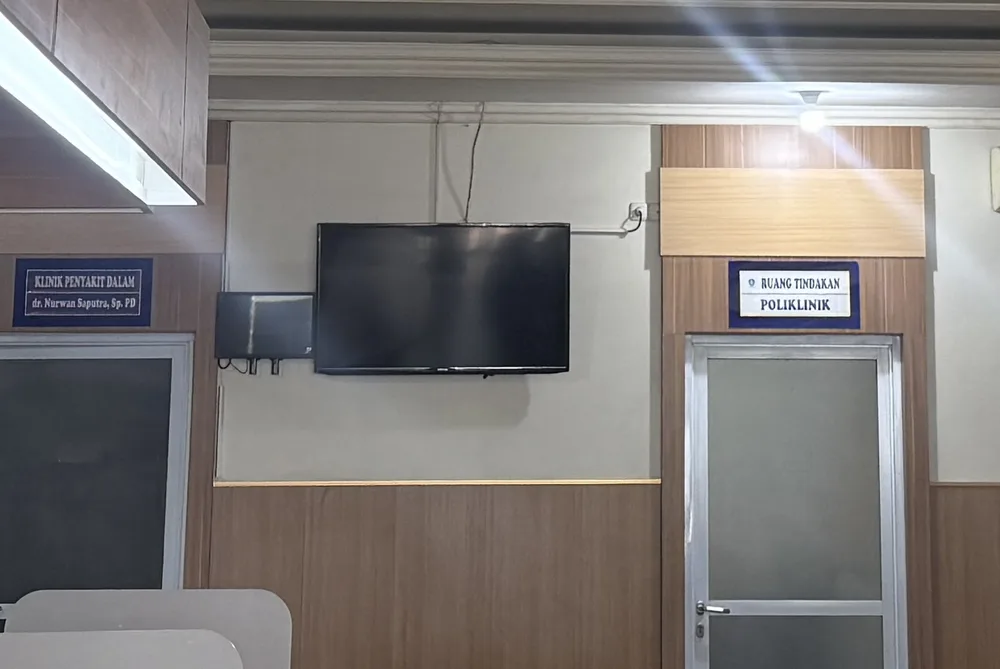
Send a teaching monitor to a village
KRW 1,300,000 (approx. USD 930)
Battery-powered portable teaching monitor (1 unit) — playing health education videos anywhere in villages with no dedicated space
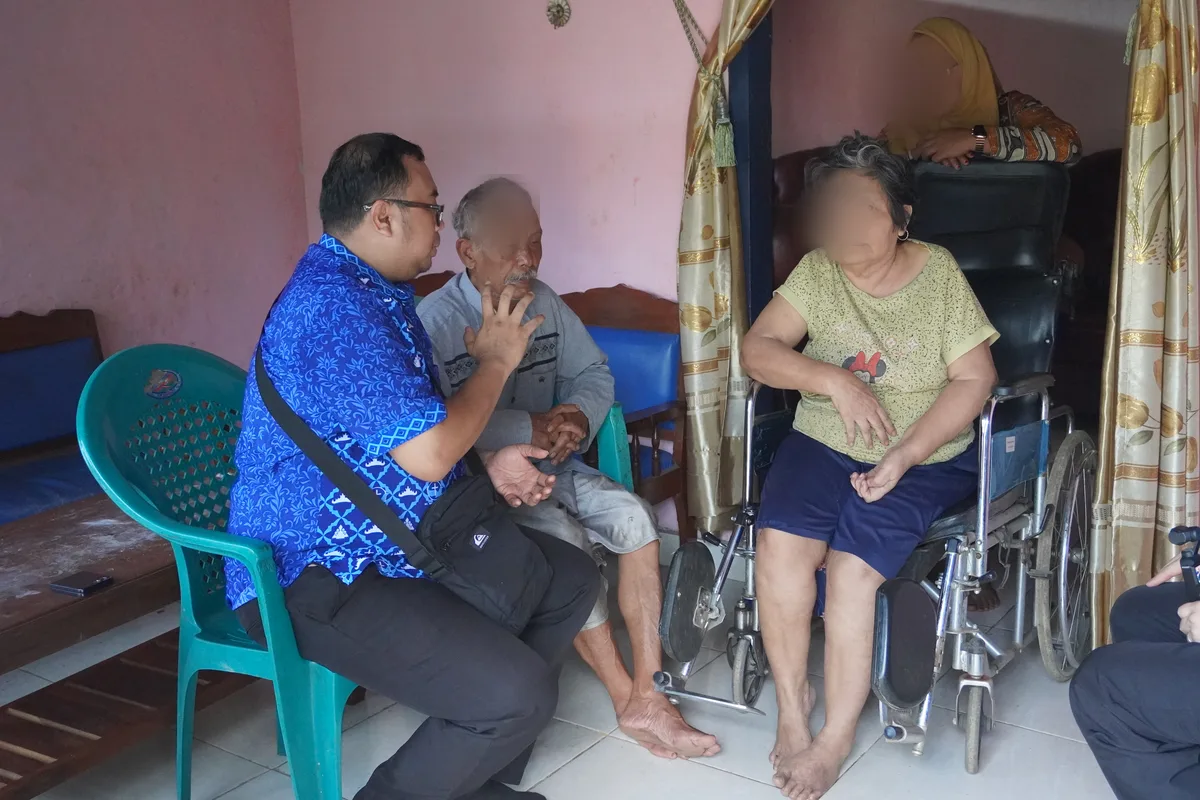
Support severe-case treatment
Any amount
For patients referred by Kaders, the gap insurance does not reach— covering surgery and treatment costs
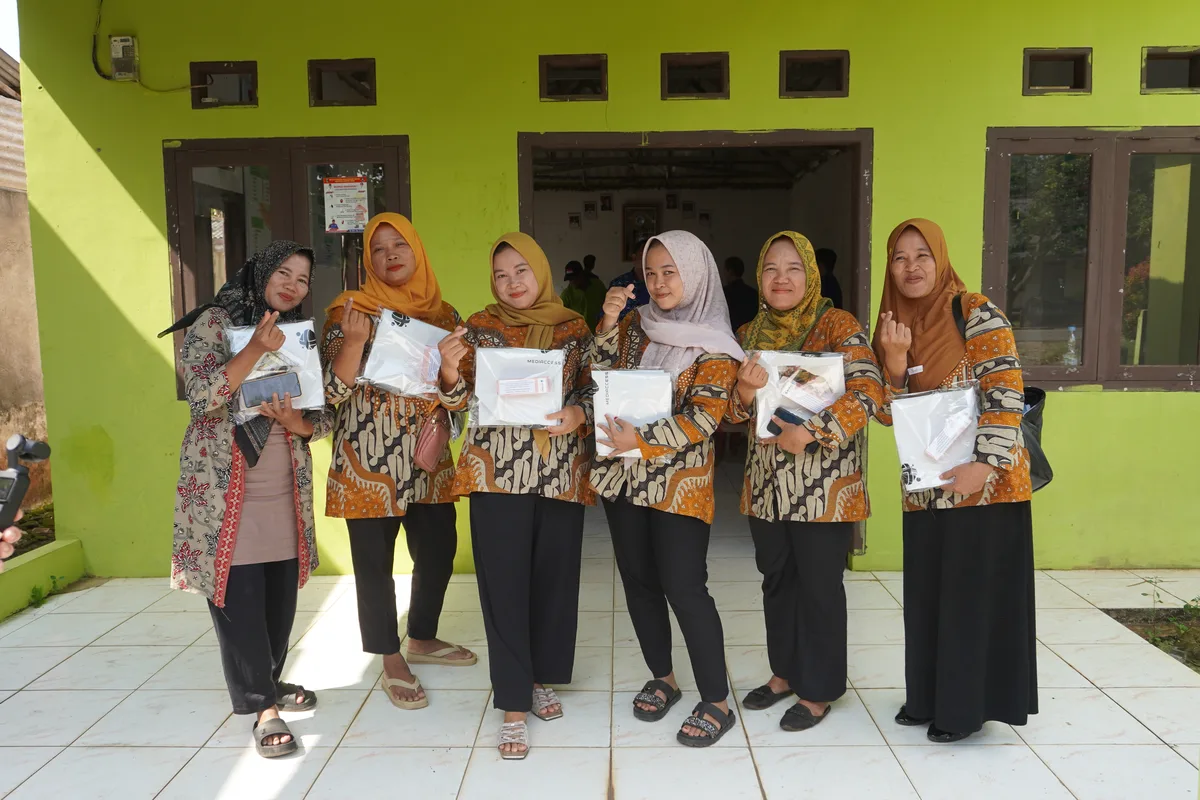
Fill one Kader’s bag completely
Monitor set + hospital training travel + one year of activity costs — one Kader is ready to serve the village for a year.
KRW 170,000 (approx. USD 120)
Amounts are converted from local unit costs; donations are managed within the project as a whole, in keeping with the purpose of the designated item.
-
Donate
A small monthly gift sustains the Kaders’ equipment and training, and residents’ screening and insurance connection
-
Get updates
Progress on the full-scale project and stories from the field, via KakaoTalk
-
Read the full project introduction
The background and principles of the Lampung Kader project this research grew from
FAQ
Q. If you pay performance-based incentives, won’t Kaders start working for the money?
Kaders already work for a modest government-set allowance, and budget restructuring has cut even that below last year’s level — more work, less pay. So we add a modest per-item performance-based incentive for each activity that can be verified in the data, such as measurement or accompaniment, and expand primary healthcare services through the Kaders’ own hands. Kaders who had only seen their burden grow are paid for the effort they put in, and take on more work willingly. In the survey, what Kaders wanted ahead of higher allowances was training and certification — and this design extends to helping people who have worked ten years without training become government-certified Kaders.
Q. Won’t it all stop again when the project ends?
Equipment, training, and government certification stay in the village after the project ends. What the village takes on afterwards is deliberately small — Kader allowances (already an existing line in the village budget), test consumables, and one or two refresher trainings a year — and we are negotiating that handover with local government and the hospital.